


Feral Cats and Trap-Neuter-Return (TNR)
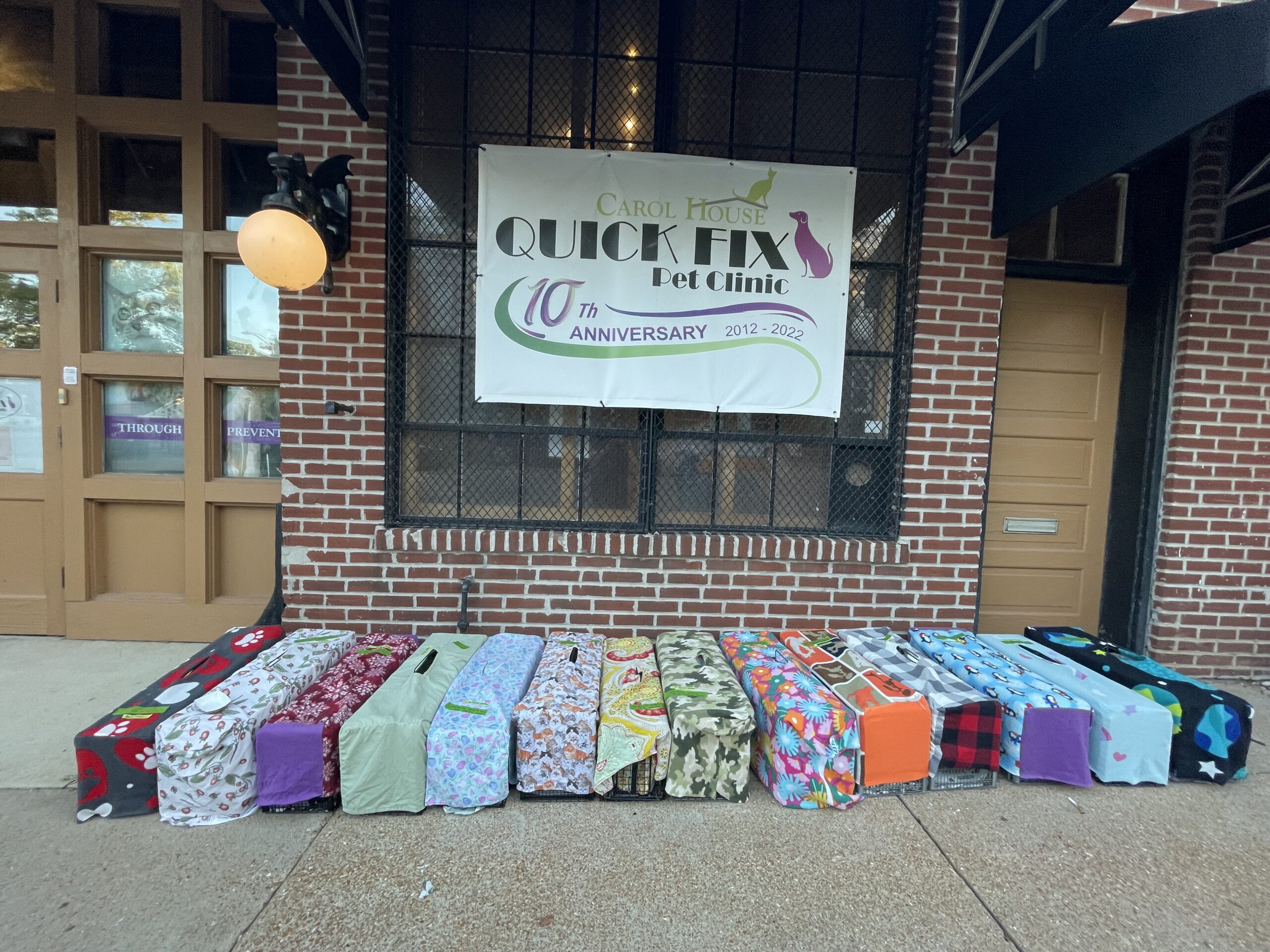
What is Trap-Neuter-Return (TNR)?
TNR is the most effective and humane way to manage outdoor cat populations.
The process:
1. Trap – Humanely trap the cat using a proper trap
2. Neuter/Spay – The cat is sterilized and vaccinated
3. Return – The cat is returned to the same outdoor location
TNR helps:
• Prevent more cats from being born into homelessness
• Reduce nuisance behaviors like fighting, spraying, and roaming
• Improve overall health of the cat
• Stabilize and gradually reduce outdoor cat populations
What is a feral cat?
A feral cat is a cat who is not socialized to people and cannot be safely handled or touched. These cats live outdoors and are not pets. Never try to handle a feral cat directly!
It’s important to note: not all outdoor cats are feral. Some may be friendly strays who are lost or abandoned and may approach people or tolerate handling. These cats may be candidates for rehoming or adoption, while feral cats are best cared for in their outdoor environment.
Services for feral cats
We provide spay/neuter surgery only for feral cats.
We do NOT offer:
• Wellness exams
• Vaccination-only appointments
• Sick or injured care outside of what is provided during surgery
All feral cat services must be scheduled in advance. An appointment is required.
Please note:
• Surgery drop-off for feral cats is 8:30am
• Pick-up time for feral cats is 4:30pm
What to expect after surgery
• You will receive instructions for safe post-surgery care and release
• Cats will have a small ear tip (a universal sign that a cat has been spayed/neutered through TNR)

Trap requirements (very important)
For the safety of our staff and the cat, all feral cats must arrive in a secure, humane trap. If you are unsure if a cat is friendly or feral, please use a trap to transport the cat to our clinic.
Trap Setup
Traps should be lined with a layer of newspaper before use. This helps provide a more secure footing for the cat, reduces stress, and allows for easier cleanup during and after surgery. Keep the trap covered to reduce stress.
Trap Security Requirements
For the safety of the cats and our staff, all traps must be properly secured.
Some traps, especially those with ring-style closures, can be pushed open by cats. We have seen cats escape by lifting the ends, even while inside the clinic. To prevent this, both ends of the trap must be securely fastened, including the back door.
We strongly recommend using clips or zip ties to secure each end of the trap. If there is any doubt about whether a trap is fully secure, please add a clip or zip tie. These can be safely removed and replaced by our team as needed during and after surgery.
Ensuring traps are fully secured helps prevent injury, escape, and delays in care.
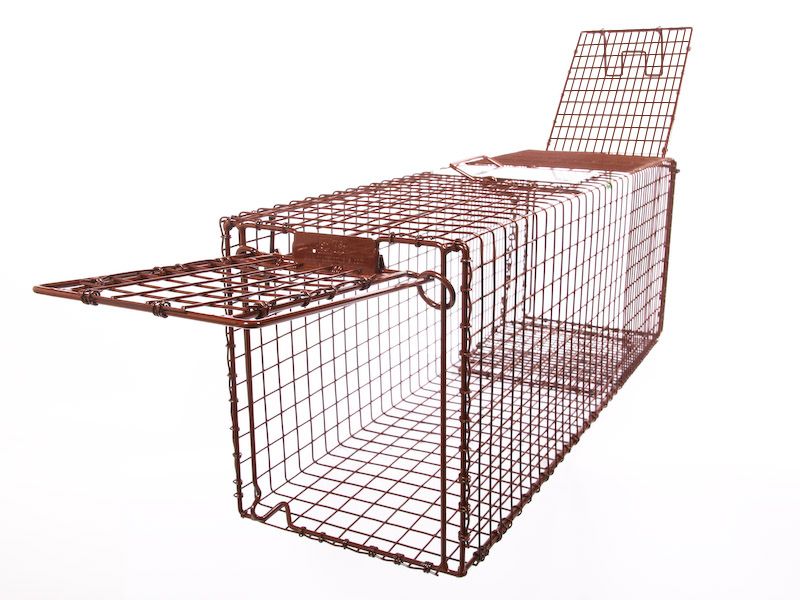
Suggested trap brands:
• Tru Catch
• Tomahawk
• Havahart
These traps are typically at least 30″ long x 9″ wide x 11″ tall.
Traps must be large enough for the cat to comfortably turn around.
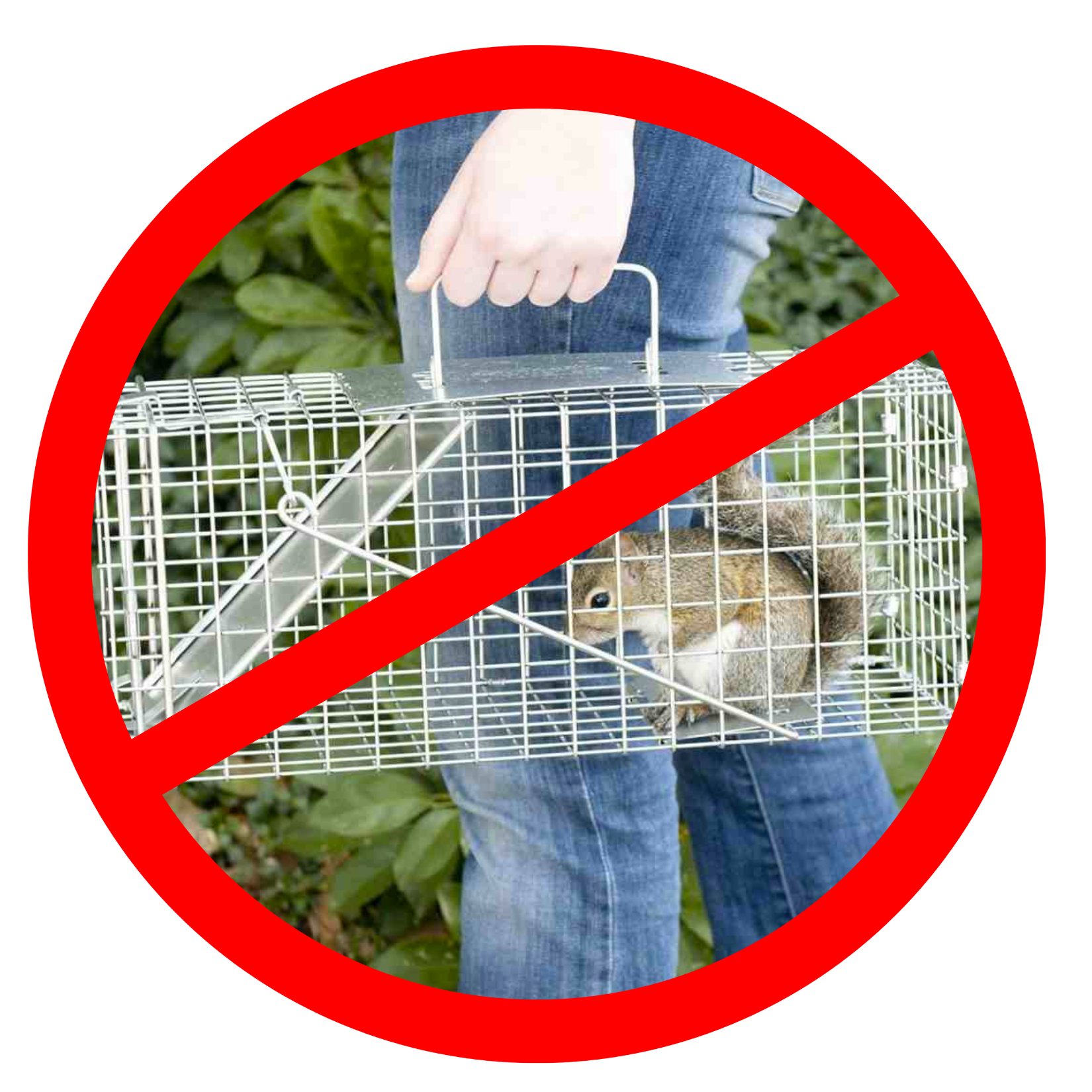
Not allowed:
• Squirrel traps
• Pet carriers
• Makeshift or unsafe enclosures
• EZ set or collapsible traps
If the cat is not in an appropriate trap, your appointment may be declined for safety reasons.
Need help getting started? If you’re new to trapping or caring for community cats, you can contact St Louis Feral Cat Outreach at 314-669-5228 or stlouisferalcatoutreach@gmail.com. They are a local nonprofit group dedicated to feral cat trapping, and would be happy to help!